
Unlock Your Productivity: The Ultimate Guide to Study Tables and Chairs for Focus, Comfort & Success!
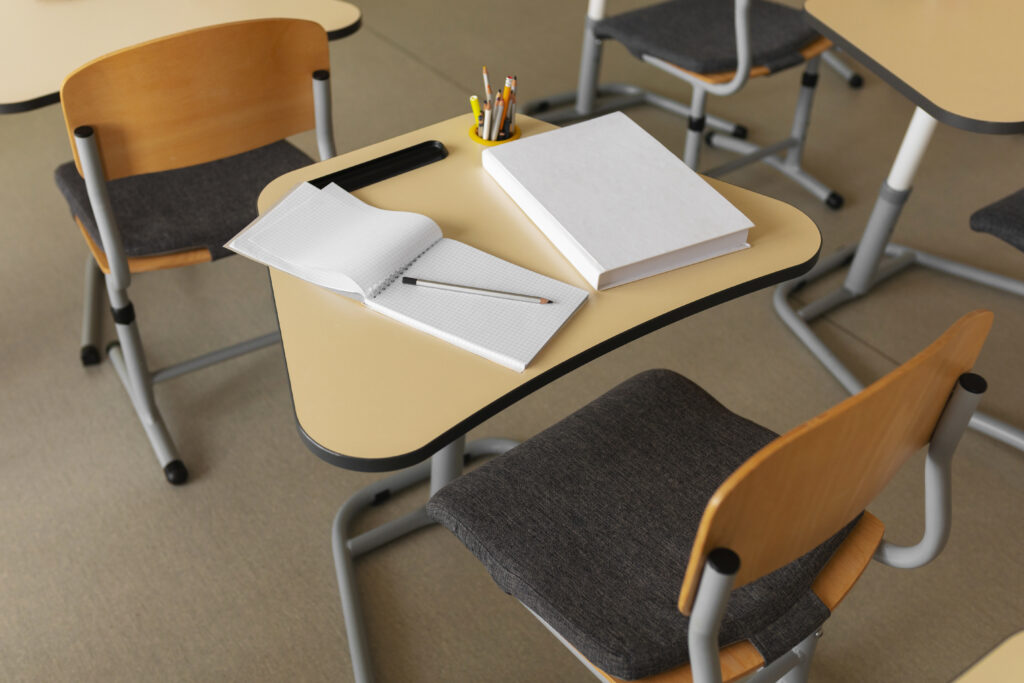
When it comes to setting up a productive workspace, whether it is for a student pulling an all-nighter or a professional completing their daily tasks, the study tables and chairs can be the deciding factor. It is more than just a place to set your laptop or books; it is about creating a space that encourages comfort, innovation, and focus. In this blog post, we will examine why it is important to put thought into your study space and how it can change the way you work and study.
Why a Well-Considered Study Space is Important?
Having a study space goes beyond being organized; it also affects how you think and work. Studies and design concepts have identified that ergonomics, or the science of designing for human comfort and efficiency, is important for keeping your mind focused and avoiding physical discomfort.
When your study space has your table and chair at the same height, allowing you to sit with your back straight, elbows at the correct angle, and your eyes directly in line with your work, you will naturally avoid putting your neck and shoulders into a position of discomfort. This means you can study for longer periods of time without becoming physically tired.
What Makes a Great Study Table and Chairs?
Let’s dissect the essential components that transform a simple desk and chair into a productivity machine:
1. Ergonomics First
Your study table should enable you to sit with your feet planted firmly on the ground, your knees at a comfortable angle, and your elbows naturally resting on the table. Your chair should facilitate the natural shape of your spine and maintain your upright posture throughout your study sessions.
The harmony between the height of your table and your chair is crucial because an imbalance between the two can cause you to slouch, get distracted, and even develop discomfort in the long run. This is why selecting the right chair to go along with your table is no longer a nicety but a necessity.
2. Space That Works for You
An effective study space provides enough space on the surface to accommodate all your needs, such as books, notebooks, stationery, gadgets, and maybe a desk lamp. A small surface area forces you to stretch for things again and again, disrupting your work and concentration.
Organized space is also important. With the help of drawers, shelves, and compartments, you can maintain a clean study space, which not only looks organized but also helps you stay mentally calm and focused, with ideas flowing effortlessly.
3. Materials: Durable and Comfortable
The use of sturdy materials such as wood or metal in making tables and chairs ensures durability and compatibility with different designs and budgets. Every material has its own unique qualities, ranging from the classic sophistication of wood to the minimalist elegance of metal.
The cushioning and upholstery of the chair are also essential. The use of breathable materials, memory foam, or mesh will ensure that you are comfortable even after a long study session.
Design to Improve Concentration
Your study space should be welcoming, not daunting. Here’s how design affects productivity:
• Lighting: Position your study desk near a window if possible. Natural light helps prevent eye strain and improves your mood.
• Clear Space: Organization is more than just aesthetics; it’s psychological. A clutter-free desk means a clear mind, ready to concentrate on problems, not distractions.
• Personal Elements: Add a plant, motivational quote, or design element that makes you look forward to coming back to your study space every day.
Match Style With Purpose
Your study area does not have to be dull and uninspired but rather an expression of your personal style and character. Wood finishes, modern designs, and everything in between—there is a style to suit every home and need. Blending styles and functionality prevents your space from becoming dull and uninspiring while still maximizing efficiency.
Finding inspiration is easy, and even looking at options such as Western Office Solutions can give you ideas about the type of desk and chair you can use that might work well with your room or study space.
Beyond the Basics: Ergonomic Smart Features
Today’s solutions are more than just a combination of a desk and a chair. Some of these combinations include:
• Adjustable Heights: Desks that can grow with you or adjust to standing or sitting positions.
• Tilted Desk Tops: Perfect for reading or drawing without having to strain your neck.
• Cable Organization: Keeps power cords and chargers organized and out of the way.
These features not only make your life easier but also reflect how seriously the world of design is taking study spaces as tools for efficiency and comfort.
The Psychological Edge
A well-designed study area sends a strong psychological message to your brain: that this is not a time for relaxation but a time for work. This helps create discipline and a sense of routine in your study habits, which are essential for better performance.
When you add a comfortable chair and a table that suits your work style, your study nook is no longer just a piece of furniture; it becomes a productivity companion.
Final Thoughts
Selecting the study table and chairs that meet your requirements is not merely a functional choice; it is also a sound investment in your comfort, well-being, and long-term productivity. Prioritize ergonomics, design, storage solutions, and durable materials. When you do, your study area will become a hotspot for productivity, innovation, and success, preparing you to conquer any challenge that comes your way.




Comments
No comment yet.