
Why the Modern Workplace Requires an Ergonomic Chair Desk Revolution?
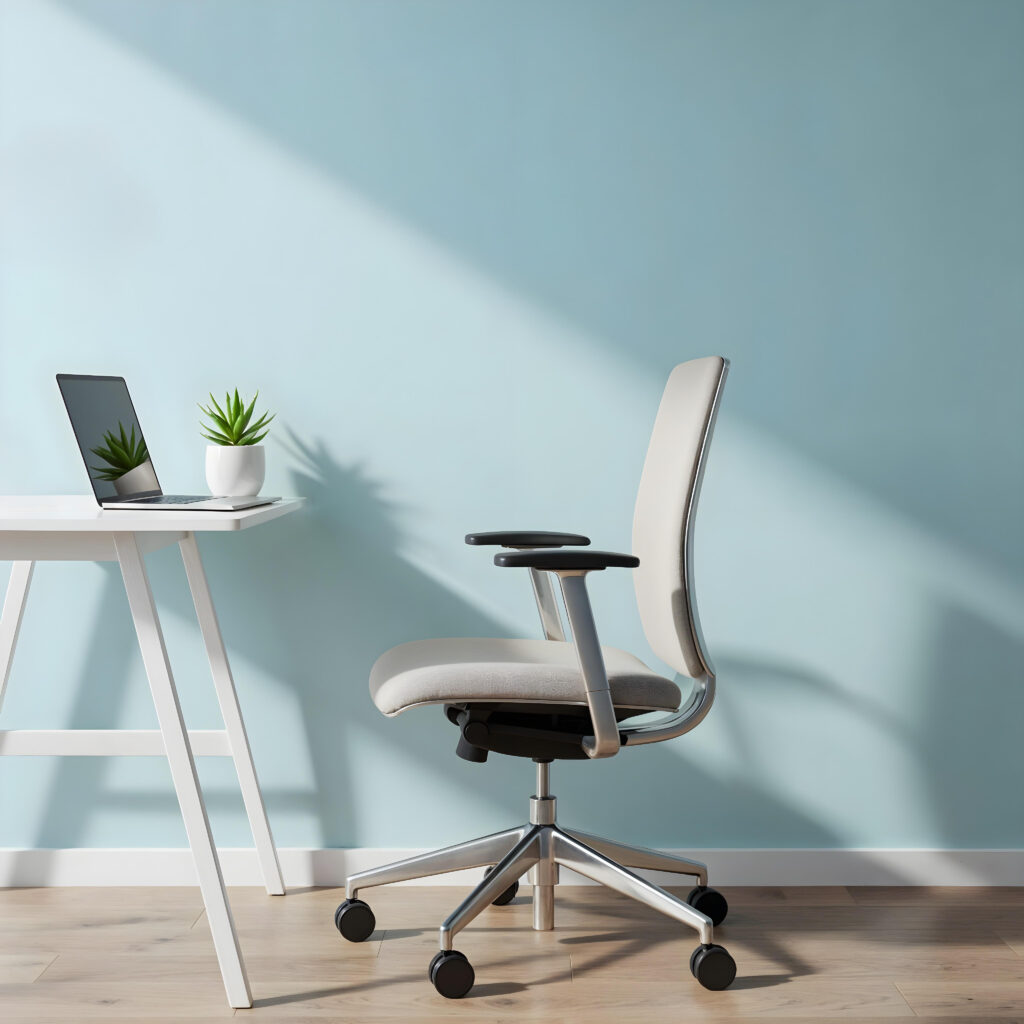
In today’s world, where most professionals spend eight or more hours a day at work, the manner in which we sit, move, and use our workstations has evolved from a mere detail to a critical component of workplace wellness. Among the many changes that are taking place in the realm of office design and culture, there is one that is revolutionary in the truest sense of the word: the need for an ergonomic chair desk revolution.
It is not merely a question of replacing uncomfortable furniture with more comfortable furniture. It is a question of how our body interacts with the tools of our trade.
Sitting Is the New Smoking, So Why Has No One Mentioned It Sooner?
Research and ergonomic specialists have long emphasized the point that conventional office chairs and desks were created with little consideration for human biomechanics. A straight seat, fixed height, and non-adjustable backrest may have been acceptable many years ago, but the contemporary office worker has a completely different environment. Many hours of sitting in front of computer screens can result in backaches, neck discomfort, poor circulation, and even chronic musculoskeletal disorders if seating conditions fail to promote good posture.
This has led to a rising need for ergonomic solutions, no longer a luxury item but a necessity.
What are the benefits of an ergonomic chair and desk?
Rather than trying to position your body in a way that’s not comfortable, ergonomic products work with your body. This includes the ability to change the height of your seat, the ability to customize lumbar support, the use of armrests that actually support your posture, and the ability to adjust the height of your desk to ensure that your eyes are in line with your computer screen. These are not “nice to have” features; they are necessary to protect your body from the strain and discomfort of repetitive activities.
Think about your typical workday:
• You come in from a commute.
• You spend an hour answering emails.
• You have back-to-back meetings.
• You finish the day with task work and perhaps planning.
In this kind of workday, the quality of your seating and desk arrangement has a direct impact on how tired you feel at 11 AM, 3 PM, and the end of your workday. Ergonomics is not about looks; it’s about physical health.
Why Is It Important to Use Ergonomic Chairs and Desks in an Office?
Ergonomic chair desk designs have their roots in the study of human anatomy and physiology. Ergonomic chairs are designed to support the natural shape of the spine and promote proper posture. This helps to avoid putting unnecessary strain on the muscles and joints. The adjustable features of ergonomic chairs also allow frequent changes in position, which help improve blood circulation and reduce fatigue.
There is also a productivity advantage to using ergonomic chairs in an office setting. Since the body is not sending signals of discomfort or pain, the mind is able to focus on problem-solving and decision-making.
A Cultural Shift: Workplaces Are Redefining Employee Care
Increasingly, more organizations are realizing that comfort at the workplace is also a part of taking care of employees. Instead of focusing on office furniture as something that merely looks good, forward-thinking organizations are now asking themselves:
“Does this furniture help our team thrive?”
This paradigm shift is also reflected in the localized markets where professionals are looking for better solutions for office chairs, such as selecting an office chair in Gurgaon that is designed to help employees with their posture and productivity.
Ergonomic design is no longer a specialized area of concern for designers and medical professionals but is slowly making its presence felt in the way offices are designed, the way remote workspaces are designed, and how employees perceive a company’s dedication to their well-being.
Beyond the Chair: A Holistic Workstation
Ergonomic design is more than just a piece of furniture. The ultimate workstation is designed with these factors in mind:
• Desk height and configuration to allow for neutral arm positions.
• Monitor positioning to keep eyes level without straining.
• Keyboard and mouse positioning to avoid wrist strain.
• Lighting and space ergonomics to avoid visual and physical stress.
In this way, the ergonomic chair desk is simply one component of a larger system that supports your body and mind.
Making Smart Choices for Long-Term Comfort
If you are planning a renovation of a workspace or simply upgrading your furniture, flexibility is the way to go. With an adjustable chair and a corresponding desk surface, people of different heights and working styles can adjust their working station according to their needs, which is a huge advantage over fixed furniture.
Ergonomic design is all about building resilience. A slight change in furniture selection now can save you from chronic discomfort in the long run. Whether it is an office or a home workspace, the aim is the same: to provide comfort that boosts performance, not hinders it.
Looking Ahead: Workspaces That Work for You
The future of work is not only digital but also physical. As the development of collaboration tools, hybrid work environments, and health-oriented office design continues, the demand for well-designed workspaces will only continue to grow.
Firms like Western Office Solutions are a reflection of this new focus, with the recognition of the importance of ergonomics in office design at all levels. The move towards ergonomic chair desk configurations is more than a trend but rather a recognition that the way we sit, the way we work, and the way we support our bodies is directly related to our experience. The move towards ergonomic chair desk configurations is not simply a trend but a reflection of the recognition that the way we sit, the way we work, and the way we support our bodies have a direct effect on our experience.






Comments
No comment yet.