
Why the Right Chair Is the Missing Piece in Your Office Workstation Setup
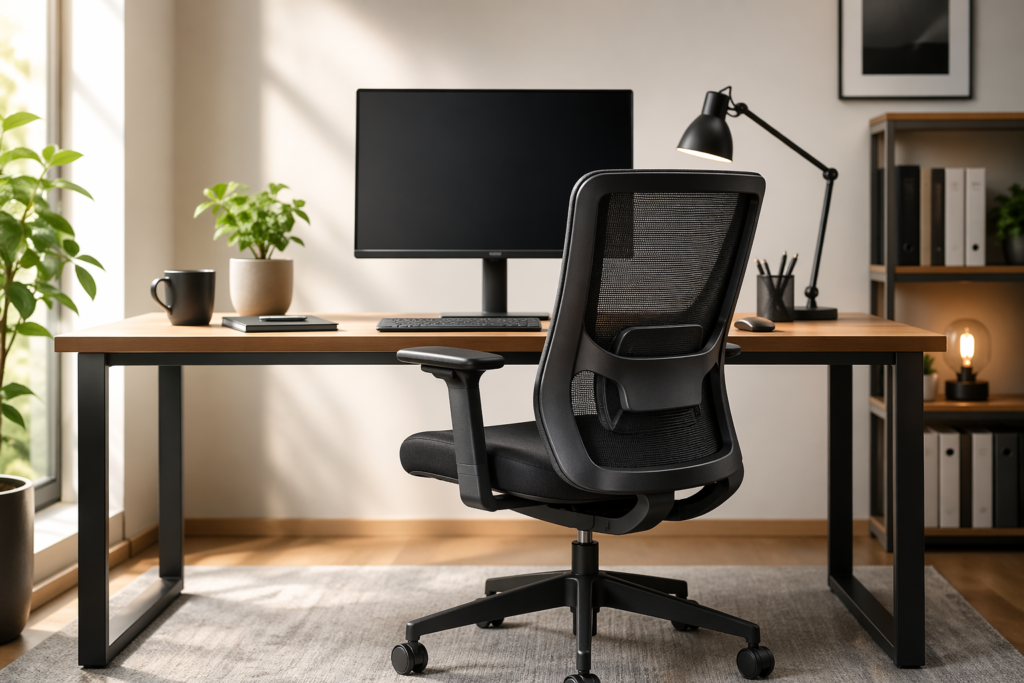
Many offices focus their resources on desks, layout design, and lighting but tend to overlook chairs, which will be used by all the workers for 8 hours each day. Such an approach is a mistake.
When an office redesigns its work environment, it spends a lot of time considering floor plans, arranging monitors, and designing storage systems. And there is one thing that might slip from attention: the furniture for sitting. However, it needs to be understood that chairs are not just something we can sit on.
What Sets Workstation Seating Apart
All seating options are not alike. The type of seating intended for cafes, lobbies, or even lounges at home is completely distinct from workstation seating in function. Workstation chairs are made for long periods of sitting and come with features such as a supportive design that helps maintain the shape of the spine and caters to diverse physiques.
One can tell whether a desk chair has what it takes based on its ability to complement a person’s physiological structure. This means that sitting in a chair should enable a person to comfortably place his or her feet on the ground, keep thighs parallel to the floor, and have arms comfortably hanging without any shoulder or lower back pain.
Features That Do Make a Difference
The marketplace is saturated with chairs labeled as “ergonomic.” It becomes much easier to choose a proper chair when a few crucial features of seating are prioritized over appearance.
Lower Back and Spine Support: It should come as no surprise that the lower part of the spine experiences the most stress from sitting in one place for prolonged periods of time. Ergonomic chairs usually have an adjustable lower back area to support the curvature of the spine.
Proper Seat Depth and Material of Cushions: Too-short or too-long seats can cause discomfort to the thighs and impede blood flow. Foam seats or breathable mesh fabric outperforms regular seat padding in many ways.
Adjustability: The height of the seat, the position of the armrests, and the angle of the backrest need to be individually adjustable. One chair cannot accommodate every possible body shape, and it is the adjustable nature of these features that makes an ergonomic chair different from an ordinary-looking chair.
Stability of the Base and Caster Action: The five-point base ensures equal weight distribution and prevents the chair from toppling over, while the freely rolling casters enable the user to navigate between different parts of their workspace without having to lift the chair off the ground.
Choosing the Correct Chair According to the Work Environment
Workplaces today have evolved beyond a single design that fits all needs, and so must their seating. What may work for a solo-focused workstation may not necessarily be the same for a collaborative space or a managerial area.
Open Office Spaces: Mid-back mesh chairs would serve well in open offices, allowing for air circulation, quick movement from one workstation to another, and creating uniformity in appearance on a big floor space.
Individual Cubicles or Pods: Full-back chairs with headrests are more appropriate for employees working at their computers most of the day, as they offer back and head support.
Hot-Desking or Collaborative Zones: Lighter task chairs are best for spaces that require frequent shifting of people from place to place.
Desks of Team Leads and Managers: Seats with a higher seat elevation and enhanced lumbar support are recommended for managers or team leads with responsibilities like focused work and face-to-face meetings.
The Relationship between Seating and Employee Well-being
More research supports the idea that physical comfort in the workplace positively affects an employee’s mood, concentration, and productivity. Individuals suffering from lower back pain and postural issues tend to make more impromptu stops during the workday, feel less satisfied with their jobs, and become tired long before quitting time.
Offering high-quality seats across office workstations is not only a practical move; it is also indicative of how a company regards its employees. The results will manifest in decreased employee absences, less need for musculoskeletal assistance, and more committed workers.
Even seemingly insignificant aspects can make a difference. For instance, proper air circulation in seats helps avoid excessive heating in warm weather conditions. Padding on armrests made of non-abrasive materials helps minimize irritation to elbows and wrists while typing for long periods.
Before you buy, a quick checklist:
How many people are going to use the chair, and will it fit comfortably for everyone?
Is the work activity largely desk-bound computer work or highly mobile?
How long is the chair supposed to last, and does it seem like it’s worth the price?
Will the design of the chair go well with other aspects of the interior?
A More Intelligent Approach to Workspace Design
Designing an efficient and comfortable working area requires many decisions, including seating, storage, ergonomics, and even lighting and acoustics. While seating represents only one of these decisions, it is a decision that impacts every occupant of the space every day.
When the seating is matched to both the activity being performed and the individual performing it, other aspects of the workspace also function more effectively. Increased efficiency and improved posture result, as does the quality of the overall experience of being at work.
The best office environments are those in which all components, including the desk itself and the seat underneath it, have been carefully considered.
Comfortable seating does not come by way of luxury but rather as a basic building block. It does not matter whether you are designing from scratch or replacing your outdated furnishings; seating should take precedence when considering the components that go into your work environment. Do it well, and you will have created something to sit back and appreciate.



Comments
No comment yet.