
Why Is the Conference Table the Silent Strategist in Your Office?
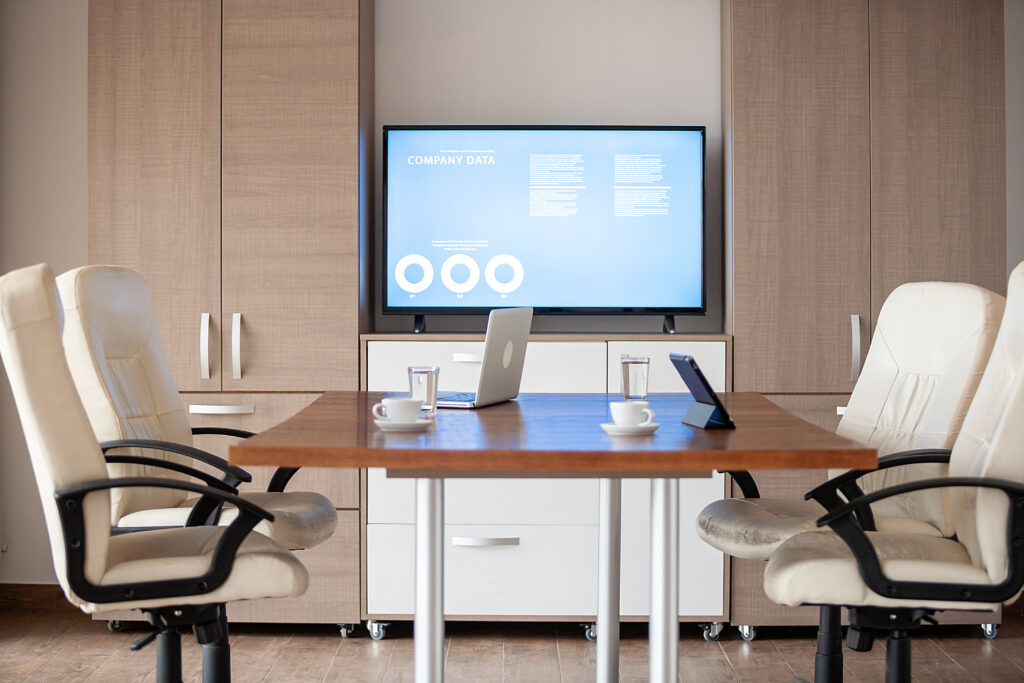
In business design, it’s quite easy to get carried away by the striking elements such as open plan layouts, smart glass walls, or ergonomic chairs. However, one silent mover within furniture influences how the conversation would go: how decisions are made and how teams are able to collaborate. This is, of course, the conference table. Much more than a surface for laptops and coffee mugs, its very presence defines the psychology that exists in group interaction, commands room dynamics, and even influences outcomes in critical meetings.
The modern-day workplace is changing, and the role that the conference table plays in professional settings evolves with it. This article will further discuss how effectively choosing and placing the centerpiece affects everything, from team collaboration and facilitating communication to cultural expression, and how its importance is often underestimated.
What is the psychology of meeting room seating?
The company of people behaves differently around various tables. For example, small things like the shape, size, and sitting arrangement of the people around the table can bring about positive change.
A rectangular table format, for example, is often associated with a leadership chain of command because of the prominence of the perceived “head” of the table. The rounded or oval table format, on the other hand, eliminates such a leadership construct and allows for equal participation. Psychology research indicates that when one feels that their voice is just as important, a sense of satisfaction is achieved.
The above dynamics will, therefore, enable the organizations to manage their own meeting culture rather than leaving it to chance.
Shapes for Discussion and Decision Making
Different shapes more subtly shift the tone and intention of the meeting. Here’s how:
Rectangular Tables: These work perfectly for structured discussions and formal presentations, optimizing linear seating arrangements and sightlines. This assists in a boardroom environment where there is a distinct role that each member has and presentations are made.
Round and oval designs are great for collaborative sessions, as no one is at the “head.” It supports creative dialogue, and this seating equality promotes unity.
Boat-Shaped Tables: These combine elegance with practicality; designed to widen at the center, they naturally encourage eye contact and interaction among participants.
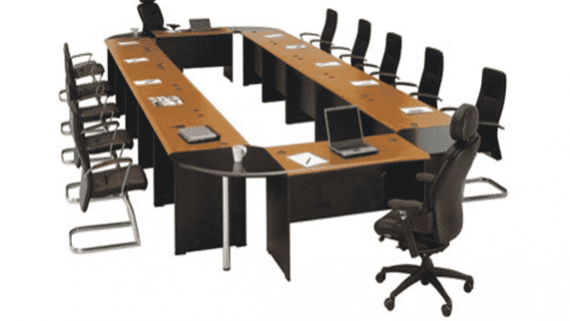
Configurations of Modularity: These modular units allow teams to configure surface layouts for various meeting formats, from brainstorming to training, without sacrificing flow or comfort.
Each setup sends a different set of cues, and teams often take those cues, sometimes unconsciously.
Material Matters: Form Meets Function
Usually, when we think of materials, the first aspect to consider is the aesthetic. However, the aesthetic of a room is not the only way a material can influence the way a room behaves.
Wood and Veneer Finishes: These provide warmth and gravitas and help to ground discussions in a sense of stability and tradition. They are particularly suited to rooms in which lengthy and thoughtful discussions and negotiations are conducted.
Glass-Topped Tables: Glass has a clean, modern look, which allows it to expand a room to make the interior feel larger. Glass tables often attract tech and creative types whose brand is built around innovation.
Mixed Material Designs: When wood, metal, or even tempered stone is used, the contrast creates visual effects as well as symmetry between robustness and style. This shows professionalism as much as design flair.
Selecting the appropriate material will ensure that the table supports the aesthetic theme of the room’s decor and will be functional for many years.
Tech Integration: The New Norm for Meetings
A conventional business conference table traditionally meant pens, paper, and perhaps a projector taking up a corner of the room. Today’s conferencing realities are very different. A contemporary business meeting space is one where technology is effortlessly included.
These devices also have built-in cable management systems, power outlets, and USB charging points, ensuring devices are kept charged and cables are out of sight and out of mind. These are not luxury items but necessary features to run successful meetings without interruption or distraction.
But when technology is supported by the table, as opposed to competing with it, teams will remain present, as is required of meetings today.
Placement and Space: Improving Movement and Acoustics
Size, however, is not limited to the number of people who can be seated. The size of the conference table in relation to the room layout has implications for circulation, acoustics, and even comfort.
The availability of paths around the table helps people avoid feeling cramped and aids movement from one chair to another without interruption.
Acoustic, thoughtful design, along with a good conference table, helps eliminate echoes and background noise, which gives greater clarity to any conversations or presentations.
A well-proportioned table will honor spatial dynamics as well as visual aesthetics.
Reflecting Culture Through Design
Every company has a culture. That culture can range from highly structured and hierarchical to highly collaborative and freewheeling. Your conference table can be a subtle expression of that.
A table where everybody sits on an equal footing speaks to trust and discussion. However, one in which traditional roles are reinforced may be appropriate for formal environments, executive offices, and so on. Recognizing such subtleties helps teams craft environments that mirror their interior moralities, not just occupy a space.
This principle extends far beyond the actual décor; it concerns the influence of the environment as a whole on the behavior of humans.
The Psychological Weight of First Impressions
Before words are said, furniture speaks. Research has shown that within seconds of stepping into an environment, people start to form opinions. A carefully chosen conference table sends a message of professionalism, purpose, and thoughtfulness. It may suggest that meetings are serious business—or that collaboration matters to the organization.
That’s why pieces like those at Western Office Solutions support not only functional needs but also help to reinforce perceptions by stakeholders regarding your brand, culture, and organizational priorities.
Conclusion: Investing in Room Dynamics, Not Just Furniture
Ultimately, however, the conference table itself is not just an object but rather an orchestrator of workplace energy. Whether your goal is to encourage innovation, enable more efficient decisions, or simply have a more streamlined and successful meeting, your decisions on your conference table have significant and long-lasting impacts.
A good table design will provide for the needs of the participants, the technology, the acoustics, and the company culture. Being educated about all the psychology involved in each piece of a table design, we’re no longer just designing for function; we’re designing for transformation.



Comments
No comment yet.