
From Rows to Collaboration Zones: How School Furniture Is Shaping the Future of Education
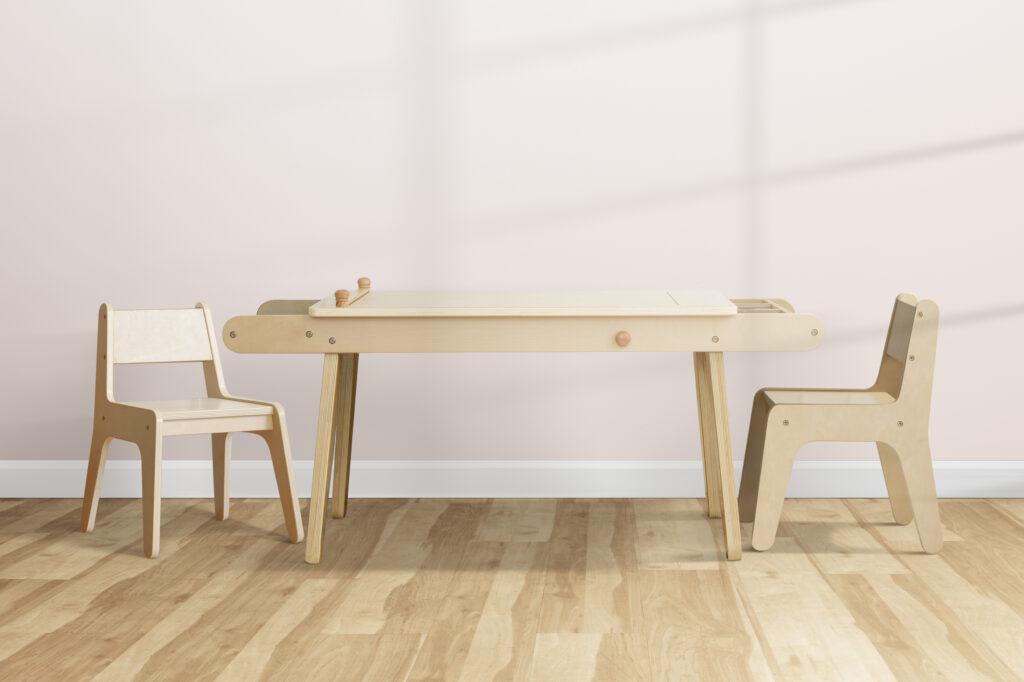
“The design of a classroom is not a neutral choice but a message about how learning is supposed to take place.”
Enter a classroom designed in the ’60s and enter a modern one. Gone is the blackboard, and in its place is the smartboard. But in many classrooms in India, the rows of wooden desks look almost exactly the same. However, something is changing. Teachers, architects, and education specialists are now challenging the idea that arranging children in rows and having them sit quietly, looking ahead and talking only when spoken to, is the best way to educate them for the future.
It’s not a tale of replacing old chairs with new ones. It’s a tale of how the environment influences the way we think and learn.
The Problem with the Traditional Classroom Layout
The traditional classroom layout, with its individual desks lined up in rows facing a teacher’s desk at the front of the room, reflects the needs of another time period. The concept is rooted in the way industry thought in the nineteenth century, where knowledge was transmitted from teacher to passive student.
Now, students are preparing themselves for a workplace that will require them to think critically and be flexible. However, the very design of classrooms may be subconsciously reinforcing the idea of sitting quietly and listening.
Environmental psychology research has clearly indicated that the way in which learning spaces are physically designed can affect behavior and even social interactions between learners.
Science Reveals the Link Between Space and Student Performance
Research conducted by the University of Salford discovered that environmental elements such as the arrangement of furniture, exposure to sunlight, and space flexibility explained a significant part of pupils’ academic achievement differences during an academic year. There was no ambiguity in the statistics.
16%: Impact of the classroom environment on learning progress.
3×: Increase in student engagement in flexible seating.
40%: Many pupils feel more focused without fixed-row seating.
How posture affects performance unconsciously
The topic of ergonomics in educational environments is often ignored. High chairs, odd angles of desks, and poor seating arrangements prevent children from sitting in a comfortable position. Such discomfort distracts a person’s attention from the matter at hand. Thus, when a child is uncomfortable in a chair, his mind is already occupied.
Appropriately-sized, age-specific seating allows the body to relax, enabling the mind to focus.
Flexible Learning Zones – The New Way Forward
The schools adopting progressive teaching methods all over the world, and now even in India, are embracing the concept of zone-based classrooms. Instead of having a single arrangement suitable for all kinds of activities, the classroom is zoned into activity-specific areas, which can be reconfigured depending upon the curriculum.
Some typical zones found in a flexible, learning zone-based classroom are the following:
Zone of Quiet Focused Learning
– Individual desks or study carrels for doing personal work, reading, and testing.
Cluster Zone
– Grouped seating with the students facing each other, perfect for group activities and discussions.
Presentation Zone
– Space on the floor close to the display screen where the students can give presentations, debate, and perform.
Corner Zones
– Low-level seating with beanbags or stools where the students can relax while performing creative and reflective activities.
Maker Zones
– Standing height seating for doing STEM-related activities and hands-on experiments.
The most important feature of this kind of classroom design is mobile furniture. Lightweight chairs with gliders, lockable wheels for tables, and modular storage furniture help the teacher in configuring the whole classroom according to their needs.
The Choice of Materials and Colours in Influencing the Classroom Environment
There are subtle yet significant considerations when it comes to the choice of materials and colors in creating a positive environment in the classroom. According to color psychology, cool hues such as blue and green contribute to a calm atmosphere that facilitates concentration, while accent colors in warm hues of yellow and orange can help boost creativity in certain parts of the class.
Just as crucial is the choice of materials. Metal frames are durable and withstand frequent use, while natural wood finishes add warmth and help to create a calming effect in the class, especially for young learners. It is not about going overboard with aesthetics; rather, it is about creating a conducive learning environment without making too much effort.
Durability in School Furniture Design
School furniture is constantly subjected to wear and tear over the years, not to mention being used frequently. Thus, choosing furniture that is built to last and can survive rough treatment, including reinforced joints, scratch-resistant finishes, and easy-to-clean upholstery, becomes essential.
Steps for Schools to Implement When Designing Their Classroom Layout
It is not necessary to completely transform a classroom from scratch. Here is a basic step-by-step guide for school leaders:
Conduct An Audit of your existing classroom design.
— Identify elements in the layout that are being neglected and consult students on comfort and concentration.
Flexibility Comes First
— Upgrade to mobile furniture before making any aesthetic modifications.
Design Using Zones, Not Rows
— Even the implementation of just one zone-based cluster in a conventional classroom setting will help change things.
Consult the Teachers on the choice.
— Those who are using the classroom day by day will know better what is needed there.
Think About Future Developments
— Consider the size of the furniture suitable for the age group of students, but still choose those with adjustable sizes for younger kids.
Worth Noting:
Companies such as Western Office Solutions collaborate with educational institutions, offering customized school furniture that suits the particular design of the classroom.
Conclusion: Creating Classrooms that Teach Even Before the Class Begins
Classrooms designed intelligently have an impact even before any teaching takes place. This classroom layout will teach children to either sit back and be passive, work on their own, collaborate, fit in, or innovate. The classroom layout, in this case, is the first teacher that children encounter when they step into the classroom.
As Indian schools continue to change due to new pedagogical concepts and understanding of child psychology, the classrooms themselves will need to adapt accordingly. This requires a closer look at every detail in the classroom, including chairs, tables, and corners, and asking a more important question: Do these spaces promote the right learning attitude in our children?
In many cases, this all comes down to a very tangible starting point, namely, where we ask our children to sit.





Comments
No comment yet.