
Modern Office Workstations: Improving Space Utilization in Contemporary Workplaces
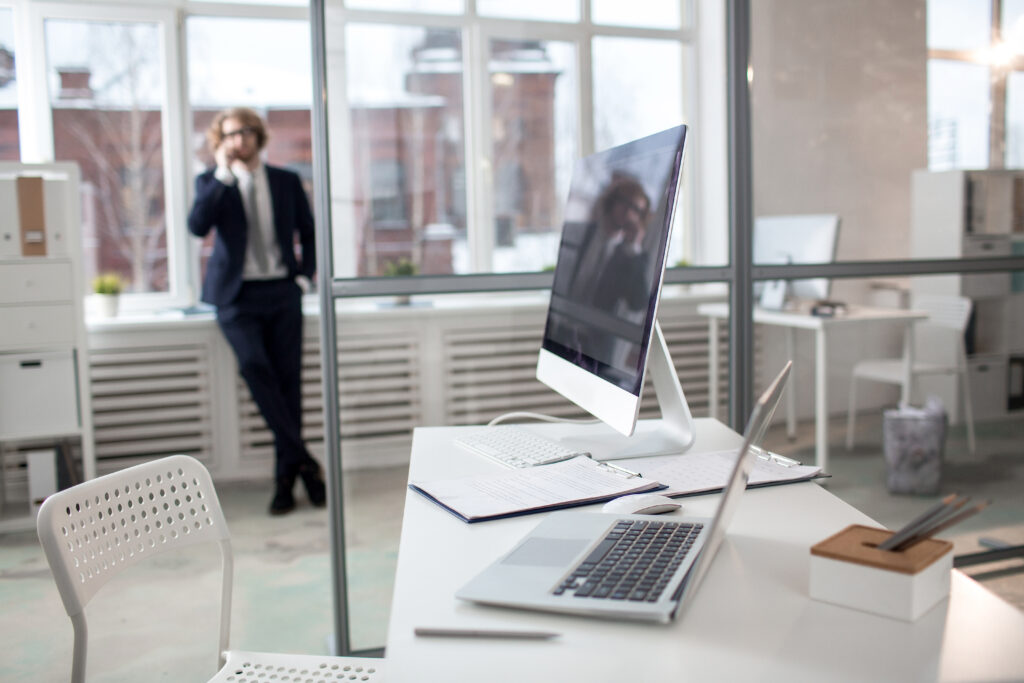
An office workstation is no longer just a desk with a computer and a chair. Today, it plays a crucial role in shaping employee productivity, collaboration, and overall workplace efficiency. A well-designed workstation helps reduce clutter, enhances focus, and creates a comfortable and professional environment.
Modern organizations are increasingly rethinking how their office spaces function. Thoughtfully designed workstations not only improve space utilization but also encourage better teamwork and streamline daily operations.
The Importance of Office Workstations
The planning of office workstations is not only about appearance. This process may determine daily movements, postures, communications, and even energy for the rest of the day. The availability of sufficient working space and storage options makes employees feel more productive.
Moreover, proper planning of office workstations allows organizations to optimize their floor space. It is especially important in small offices, where all the free space should be utilized. The combination of efficiency and coziness became a key principle in office planning, which explains the significance of workplace planning today. These principles are reflected in the source’s focus on productivity and space optimization.
Read also: https://westernofficesolutions.com/office-workstations-the-backbone-of-modern-productivity/
Ergonomic Aspects of a Good Office Workstation
1. Ergonomic Comfort
The ideal office workstation must have ergonomically designed seating that promotes a comfortable posture for workers. A workstation that is ergonomically designed ensures that the workers will experience minimal discomfort when working at their stations, which may be expected since they may spend a lot of time in the workplace.
2. Efficient Utilization of Space
Office workstations may also be created based on the size of the office space. For instance, an office workstation may be designed to enhance the utilization of space within a small office space. This helps in ensuring that the office space looks spacious, despite having many office workstations.
3. Cable Management
Untidy cables can ruin the aesthetics of an otherwise beautifully designed office space. Most office furniture designs feature cable management systems to ensure cables remain organized and do not interfere with the office environment. Not only does this contribute to safety, but it also makes it easier to clean and maintain the workstations. It is also another factor that distinguishes between an average design and a good one.
4. Durability
The furniture is used daily in offices, meaning the longevity of the materials is crucial. High-quality materials, finishes, and constructions play a significant role in extending the lifespan of office furniture.
Selecting The Proper Office Workstations For Your Team
Each team performs differently, and so no single workstation setup will be right for each organization. While one department requires stations that foster communication, another might require workstations that provide peace and allow workers to concentrate on their duties. Stations, cabin-type workstations, and cubicles are some examples.
The proper office workstations will depend upon how each department functions. For example, customer care employees will require smaller stations that facilitate communication, but designers will require larger workstations and more space to accommodate equipment.
Open-Plan Workstations Versus Individual Stations
Office workstations that are open plan may serve to foster collaboration and cooperation. Open-plan office workstations can be very helpful in facilitating instant cooperation, whereas individual office workstations will be more appropriate in situations when workers need privacy or require concentration.
In practice, many companies use a combination of open-plan and individual office workstations. With this type of layout, employers can integrate collaborative areas and individual office workstations. In most cases, this approach is suitable for modern office environments because employees have opportunities to perform diverse tasks within an office.
The Importance of Aesthetics in Office Workstations
From the perspective of aesthetics, it is necessary to emphasize the importance of office workstations’ appearance because office workstations contribute to the overall aesthetic of the facility. Thus, office workstations may significantly affect the atmosphere in workplaces.
Moreover, office workstations contribute to the image of the company because these facilities provide opportunities to reflect the style of the company. In some cases, a minor change in the design of office workstations will allow companies to improve their image.
Thus, the appearance of office workstations can be used as one of the key elements to attract visitors.
Adaptability to the Evolving Work Environment
The working environment is ever-evolving, and as such, the number of employees, job positions, and workstyles keeps changing. This explains why office workstations need to be highly flexible to cater to evolving needs within the workplace environment.
Flexible office workstations provide an easy and cheaper way for expanding organizations to accommodate new members within the team. The ability to modify existing office workstations to adapt to emerging demands ensures that businesses do not have to overhaul their entire office spaces every time there is a change in staff.
Conclusion
Office workstations play a critical role in office designs, ensuring maximum efficiency, professionalism, and comfort in the workspace. Ideally, office workstations should be designed to facilitate employee productivity, minimize clutter, enhance ergonomic benefits, and promote teamwork.
While there are many differences between a small office and a big one, appropriate workstation layouts offer many benefits. Notably, comfortable and durable workstations facilitate functionality and flexibility in a workspace.



Comments
No comment yet.