
Psychology of Meeting Spaces: The Way Your Conference Table Dictates Group Interactions
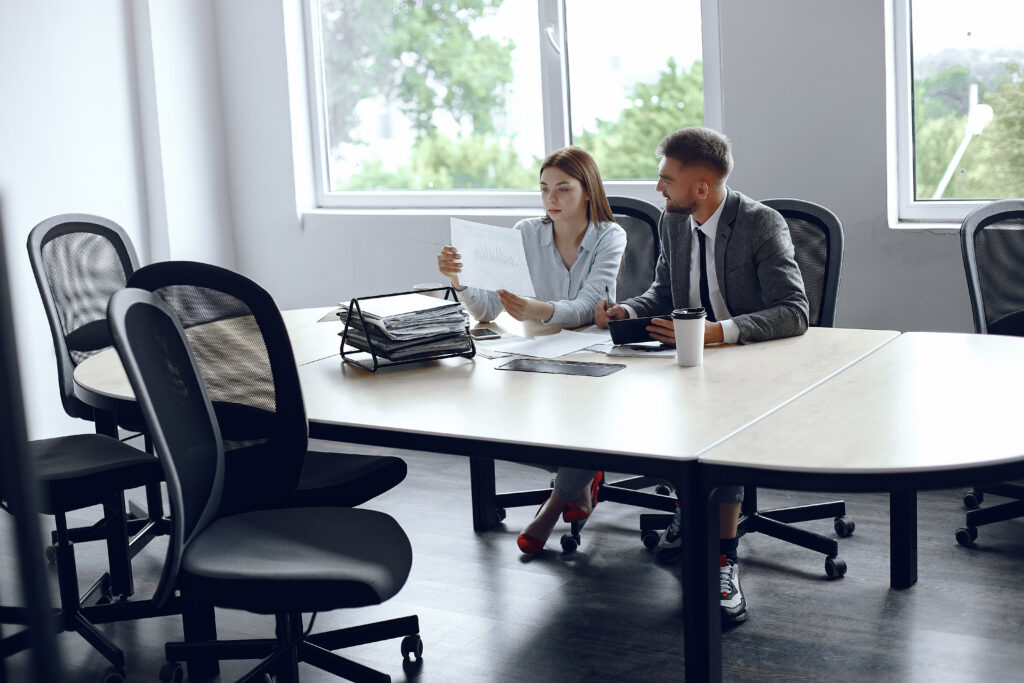
Step into any well-designed workplace, and the room says a lot even without saying a word: the lighting, the design, the chairs, and, right at its heart, the conference table. But what most people miss is that a meeting room isn’t just a space. It’s an environment that dictates thought and behavior.
Reasons for Going Past the Looks of the Meeting Room Design
Companies spend a lot of time finding the best software solutions, hiring good employees, and streamlining processes. However, the space where the employees meet to collaborate is often overlooked as a secondary concern.
This is not optimal. Studies conducted by environmental psychologists prove that the environment of a discussion room influences team communication, decision-making, and the overall atmosphere of working within the company.
Organizational behavior researchers discovered that the design of a workspace impacts the following:
• The Participation Level in Meetings: Who contributes, how frequently, and how confidently they do it
• The Quality of Decisions Made: If the team makes reasonable and consensus-based choices
• The Psychological Safety of Participants: If individuals feel safe to present their opinions, voice their concerns, or point out issues
• The Efficiency of the Meetings Themselves: How focused and productive the discussions are
The configuration of the furniture is probably the single most influential factor here.
Shape of the Business Meeting Table, Shape of the Discussion
One interesting observation that we should all pay attention to is that the shape of the conference table actually impacts team dynamics. And this does not refer to aesthetics, but rather functionality.
Rectangular
Conveys status and order. Works great for meetings held in a boardroom setting, as well as any formal review or client presentation.
Round/Oval
Destroys positional authority. Everyone sitting around an oval meeting table is equal, great for teams looking to have a discussion.
Modular
Adjust the table in size and form, best suited for a flexible/agile environment.
Rectangular Seating Layouts: Hierarchy and Order
Seating people in a rectangular layout implies hierarchy. As one can guess, the person who sits at the head of the large conference table automatically becomes a leader or authority figure. This arrangement may work perfectly in formal settings, but for brainstorming sessions, it may stifle contributions from individuals sitting in corners or further down the table.
The Round and Oval Layouts: Equality and Openness
The circular layouts make the notion of the “head” seat obsolete. It implies that everyone is equally far from the others, sending an unconscious message about equal importance. Those who have tried round layouts say that people feel more comfortable at a round table and talk more freely.
The Modular Layouts: Flexibility for Hybrid Teams
With the emergence of hybrid working spaces, flexibility becomes truly relevant. A room can be quickly transformed from a full meeting to a mini-meeting, which perfectly fits into the new philosophy of prioritizing people over space.
“Space speaks louder than words. Design is not only artistry; it’s also management.”
Ergonomics & Comfort: The Silent Meeting Efficiency Sabotages
Uncomfortable table surroundings are often the most underrated factors affecting meeting efficiency. In such conditions, participants become distracted by the physical discomfort rather than paying attention to what they are supposed to do.
A list of ergonomic elements that should be included in meeting room designs:
• Provision for 60-75 cm of table length per person in the room.
• Table height for both writing and laptop work.
• Cable management system for keeping the table free from cables.
• Materials and finishes reducing noise levels and creating comfort table acoustics.
• Proper space allocation for moving around the table.
All the above are not extras but necessary components of successful meeting room design.
Technology in the Contemporary Meeting Room
Modern-day meeting rooms should be able to accommodate both in-person and remote attendees effectively. An unfriendly approach toward accommodating technology within the table will create a disparity between remote and on-site attendees, where remote attendees feel isolated, and those physically present feel disrupted by wires and adaptors.
The modern-day meeting room design incorporates:
• Screen accessibility for all seating arrangements to ensure everyone can see the screen from their seat
• Pre-installed power outlets and data points to avoid cable messes and searching for an adaptor during meetings
• Sound-friendly material to prevent echoes in video conferences
Colour, Light, and Atmosphere: Creating the Right Ambience before Anyone Speaks
Room design is not merely about the furniture; rather, it is an integrated approach. For example, natural light has always been associated with increased alertness, positive moods, and better decision-making abilities. According to color psychology, neutral colors facilitate concentration, whereas warm colors foster creativity and openness.
When choosing furniture for a meeting room, one should consider the interaction between the room design and its intended purpose. color, finish, and material, and the existing room decor. Dark walnut will create an aura of authority, while laminate will provide a feeling of collaboration and openness. Both materials have their own pros and cons; the selection of the most appropriate one depends on the objectives of the room and the culture of its occupants.
The Room Design Should Suit Its Intended Purpose
Good meeting rooms aren’t born from chance; they are created through purposeful design considerations about how space, furnishings, lighting, and technology will work to benefit their inhabitants.
As you consider furnishing either your brand-new meeting space or your existing one, there is a very important question you should ask yourself. What is the intended feeling or activity you wish for individuals who use this space? Let your response dictate all design decisions, from wall colours to seat heights and meeting tables.
This is because a well-designed meeting room is one in which each consideration takes on added importance.





Comments
No comment yet.